
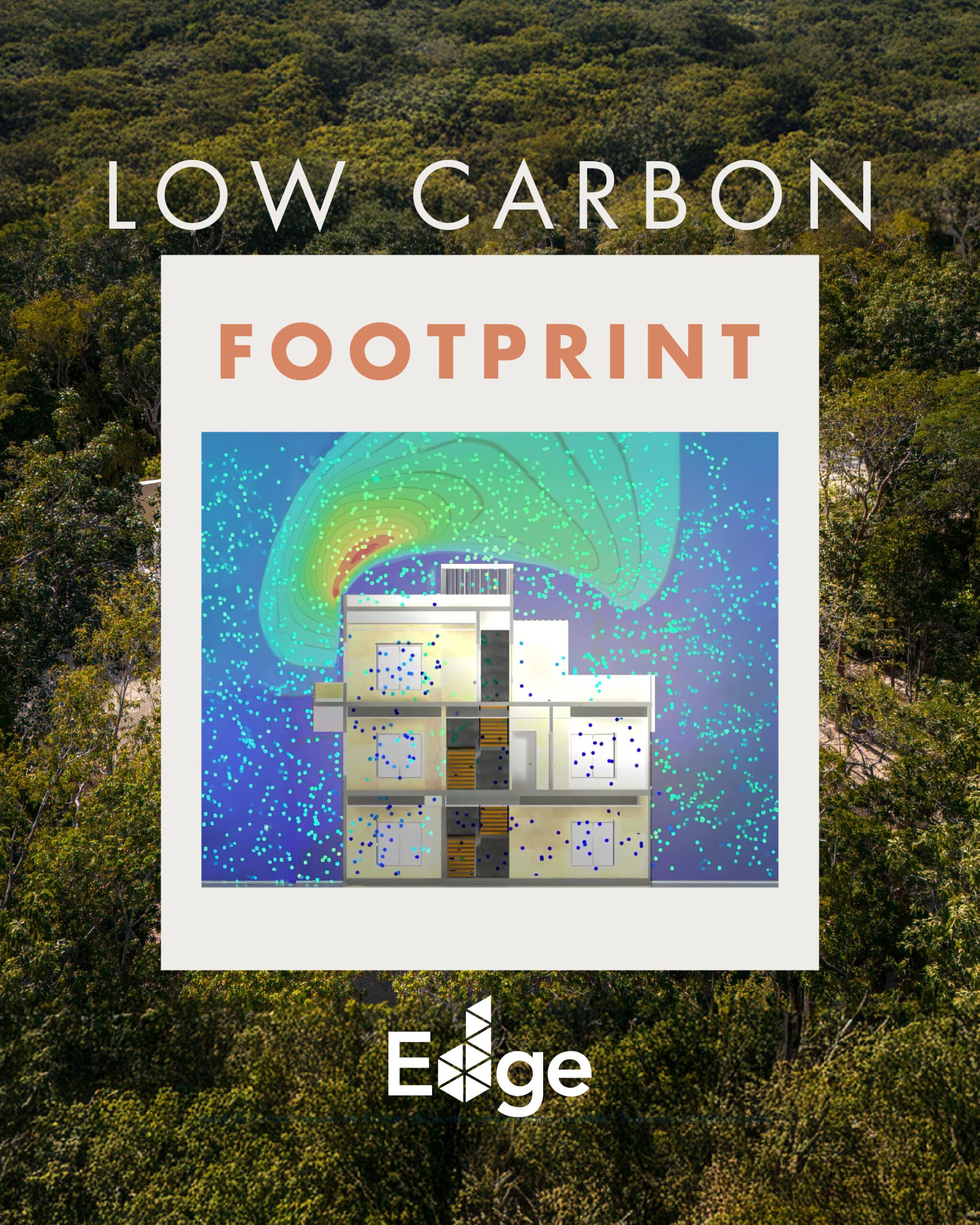
In the real estate sector, the pursuit of sustainability has stopped being an option and has become a necessity and a key differentiator. In this context, EDGE (Excellence in Design for Greater Efficiencies) certification emerges as a powerful and accessible tool for developers who want to build more efficiently and responsibly.
EDGE, which was promoted by the International Finance Corporation (IFC), a member of the World Bank Group, is a green building certification system that focuses on making buildings more resource-efficient, unlike other certifications. Its main characteristic is its practical and easy-to-apply approach, specifically designed for emerging markets.
How does this certification work and what does it measure?
The EDGE certification based on a free software tool and a global standard. To obtain it, a project must demonstrate a minimum savings of 20% in three critical areas, compared to a conventional building in the same location:
- Energy efficiency: This measures the savings in electricity consumption for lighting, climate control, ventilation, and other equipment. This is achieved through strategies like the use of LED lighting, high-performance windows, efficient air conditioning systems, and a design that maximizes natural light.
- Water savings: This quantifies the reduction in potable water consumption, both inside and outside the building. This is achieved with low-flow faucets, showers, and toilets, as well as with systems for rainwater collection or graywater reuse for irrigation.
- Embodied energy in materials: This evaluates the energy used for extraction, processing, and transportation in construction materials. Projects can reduce this impact by choosing locally produced, recycled, or lower carbon footprint materials.
The added value of EDGE Certification for the Real Estate projects
EDGE Certification is not just a sustainability label, but a strategic asset that generates multiple benefits for developers, investors, and, of course, the future residents or users of the property.
- Reduced operating costs and increased profitability:
This one of the most direct benefits, By constructing more efficient buildings, energy, and water consumption are drastically reduced, which translates into lower utility bills for occupants. For the developer, this means a more attractive and competitive product on the market, with a lower long-term operating cost.
- Increased property value appreciation:
Properties with EDGE certification are highly valued by buyers and tenants who seek a more conscious lifestyle and economic savings. This increases the property’s appreciation and makes it more attractive for sale or lease.
- Market differentiation:
In an increasingly competitive market, EDGE certification positions a project as a leader in innovation and sustainability. It serves as a differentiator that attracts a customer base that attract a customer base that values environmental responsibility and efficiency.
- Improved comfort and quality of life:
Buildings designed under EDGE standards are not only efficient, but also offer a healthier and more comfortable environment. Better thermal insulation, increases natural ventilation, and optimized lighting translate into grater well-being for those who live or work there.
- Mitigation of environmental impact:
The fundamental and most far-reaching benefit. By reducing resource consumption and carbon emissions, certified projects actively contribute to the fight against climate change and the conservation of natural resources, demonstrating a real commitment to sustainability.
EDGE Certification represents a smart investment in the future of construction. It is a tool that improves a project’s financial performance and value, while at the same time, aligns it with the demands of a world that requires greener and more efficient solutions, transforming the way we conceive the spaces where we live, work and thrive.

